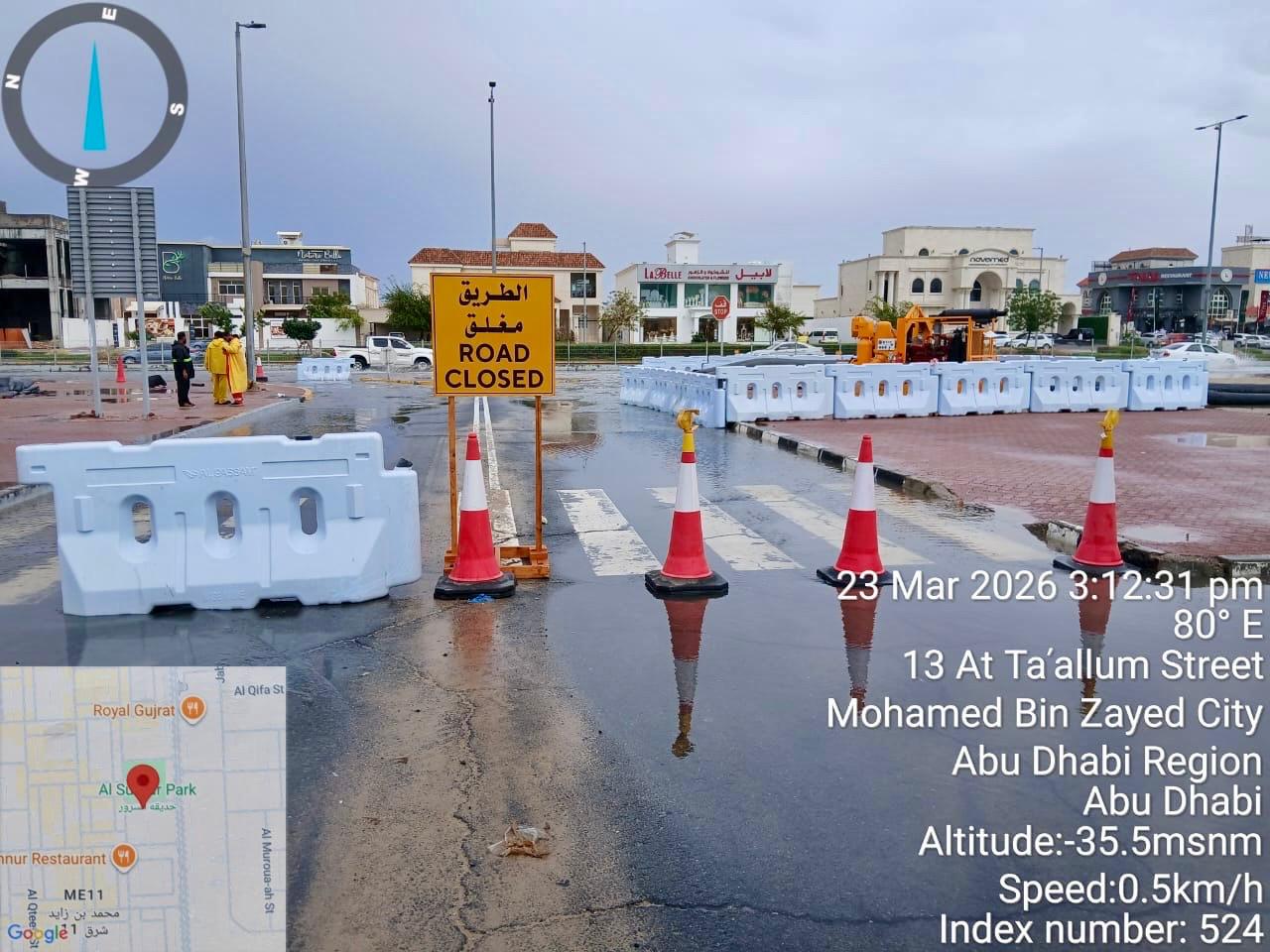
Understanding ITC Traffic Detour Permits, Required Documents, Approval Procedures and Temporary Traffic Management Requirements in Abu Dhabi
Temporary road closures are essential for many construction, infrastructure development, utility installation and highway maintenance activities. However, carrying out work on public roads requires proper traffic management planning, relevant approvals and compliance with applicable road safety requirements.
In Abu Dhabi, temporary road closures and traffic diversions affecting the road right-of-way are regulated through the relevant authorities, including the Integrated Transport Centre (ITC), operating under Abu Dhabi Mobility.
Understanding the permit process can help contractors prepare the necessary documentation, coordinate project schedules and implement safer traffic management arrangements.
What Is a Temporary Road Closure Permit?
A temporary road closure permit authorizes eligible activities affecting traffic movement within a defined road area for an approved period.
Depending on the scope of the project, the arrangement may involve closing an individual traffic lane, reserving a road shoulder, temporarily diverting vehicles or closing a road section.
Traffic detour permits help ensure that proposed arrangements are reviewed for road safety, traffic movement, accessibility and compliance with applicable requirements.
When Is a Road Closure Permit Required in Abu Dhabi?
A traffic detour permit is generally required when planned works affect traffic movement or safety within the public road right-of-way.
Common activities include:
• Highway maintenance and road resurfacing
• Temporary lane closures for construction activities
• Utility installation and underground service maintenance
• Bridge inspection and maintenance operations
• Road marking and traffic signage installation
• Infrastructure development and improvement works
• Temporary road diversions and full road closures
• Surveying and other activities affecting traffic
• Certain public events and temporary installations
The applicable permit category and supporting requirements depend on the nature and location of the proposed works.
Contractors should confirm the necessary approvals before mobilizing traffic management equipment or occupying the road.
Types of Temporary Road Closures
1. Partial Road Closure
A partial closure restricts access to one or more lanes or portions of the roadway while maintaining traffic movement through the remaining available lanes or an approved alternative arrangement.
Partial closures may be used for:
• Utility maintenance
• Road repairs and resurfacing
• Road marking activities
• Bridge and infrastructure maintenance
• Short-duration construction activities
The traffic management layout must provide appropriate warning, guidance and protection for road users and workers.
2. Full Road Closure
A full road closure temporarily restricts traffic movement along a defined section of roadway.
This arrangement may be required for activities that cannot be safely completed while maintaining vehicle access through the work area.
Full closures require careful planning of alternative routes, traffic movement, access arrangements and the potential effects on the surrounding road network.
3. Mobile Traffic Management Operations
Some road maintenance activities require work crews and protective vehicles to move along the roadway.
These operations may involve Truck Mounted Attenuator (TMA) vehicles, illuminated arrow boards and additional traffic management support.
The permit requirements and protective arrangements depend on the nature of the activity and the approved traffic management scheme.
Documents Required for a Temporary Road Closure Permit
The documents required vary according to the permit category, location and project scope.
Common documentation identified in ITC guidance includes the following.
1. Official Request Letter
An application or request letter identifying the proposed activity, project location, nature of work and intended duration.
2. Letter of Award or Work Order
Supporting project authorization documentation establishing the applicant's connection to the proposed works.
3. Location Plan and Site Photographs
A recent aerial location plan showing the work area, surrounding road network and relevant site photographs.
4. Traffic Management Plan (TMP)
A technical plan detailing how vehicle and pedestrian movements will be managed safely throughout the work period.
The plan should identify the traffic control arrangements, work-zone boundaries, safety equipment and applicable dimensions.
5. Traffic Diversion Drawings (TDD)
Drawings showing the proposed temporary lane closure, diversion route, traffic signs, barriers and other traffic control arrangements.
6. No-Objection Certificates (NOCs)
Relevant authority approvals and NOCs may be required, depending on the works and the affected assets.
7. Risk Assessment and Contingency Plan
Documentation identifying work-zone hazards, traffic risks, emergency procedures and mitigation measures.
8. Additional Supporting Documents
Depending on the activity, additional requirements may include parking-related approvals, notifications to affected parties, alternative-route drawings or traffic volume information.
For full road closures, the published ITC procedures specifically identify alternative-route drawings and traffic counts among the required documents.
Important: The final document checklist should always be verified against the applicable permit category and current authority submission requirements.
Step-by-Step Road Closure Permit Process in Abu Dhabi
Step 1: Identify the Work Scope and Location
The contractor should establish the exact location, type of work, proposed start date, expected duration and required traffic restrictions.
Accurate project information is essential for developing a suitable traffic management arrangement.
Step 2: Assess Site Conditions
The road classification, traffic movement, access requirements, work-zone dimensions and surrounding infrastructure should be reviewed.
Special consideration may be required for pedestrian access, intersections, bus routes, emergency vehicles and nearby properties.
Step 3: Prepare Traffic Management Drawings
A suitable Traffic Management Plan and supporting Traffic Diversion Drawings should be prepared in accordance with applicable authority requirements.
These drawings identify the proposed closure, warning signs, traffic control devices and safe movement arrangements.
Step 4: Obtain Supporting Approvals
The required NOCs, work authorizations and other supporting documentation should be obtained or coordinated before submitting the application, as applicable.
Step 5: Submit the Traffic Detour Permit Application
The application is submitted through the relevant ITC traffic detour permit system, together with the required technical drawings and supporting documents.
The authority reviews the proposed arrangement and may request clarifications or revisions before granting approval.
Step 6: Receive Approval and Verify Permit Conditions
Once the permit is approved and issued, the contractor must review the authorized work location, validity dates, operating hours, approved drawings and special conditions.
The proposed work should not commence before the required authorization is effective, except where a specific legally permitted emergency procedure applies.
Step 7: Implement the Approved Traffic Management Arrangement
The approved arrangement is installed using the required traffic control equipment and personnel.
Depending on the site, this may include TMA vehicles, temporary traffic signs, cones, barriers, arrow boards and trained traffic management teams.
Step 8: Maintain and Remove the Traffic Management Setup
During the works, traffic management arrangements should be inspected and maintained to ensure continued effectiveness.
Following completion, temporary equipment should be removed, the road returned to the required condition and the relevant permit completion procedures followed.
Why Proper Traffic Diversion Drawings Are Important
Traffic diversion drawings are an essential component of temporary road closure planning.
They provide a clear technical representation of how traffic will be managed around the work area.
Well-prepared drawings help identify:
• Temporary lane closure arrangements
• Traffic diversion routes
• Advance warning signs
• Traffic cone and barrier positions
• TMA vehicle positioning where required
• Safe access for construction personnel
• Pedestrian and emergency access arrangements
• Temporary traffic management boundaries
Accurate drawings can reduce submission errors, support authority reviews and improve coordination between contractors, consultants and traffic management teams.
Traffic Management Equipment Required for Road Closures
The equipment required for temporary traffic management varies according to road conditions, traffic characteristics and the approved design.
Common equipment includes:
Truck Mounted Attenuators (TMA): Protective vehicles incorporating crash attenuation equipment for suitable work-zone applications.
Temporary Traffic Signs: Warning and directional signage informing road users about approaching closures, diversions and changing traffic conditions.
Traffic Cones and Delineators: Devices used to define temporary traffic paths and work-zone boundaries.
Safety Barriers: Suitable barriers used to separate certain construction activities from traffic according to the approved arrangement.
Illuminated Arrow Boards: Devices that provide additional traffic guidance, particularly during lane closures and mobile operations.
Traffic Management Personnel: Trained teams responsible for installing, monitoring, maintaining and removing temporary traffic management arrangements.
Equipment selection must follow the approved traffic management drawings and applicable safety requirements.
Common Mistakes Contractors Should Avoid
1. Starting Work Before Permit Approval
Commencing planned roadworks affecting traffic without the required authorization can create safety and regulatory risks.
2. Submitting Incomplete Documentation
Missing drawings, supporting NOCs, project information or risk assessments may delay the application review process.
3. Providing an Inaccurate Work Schedule
Proposed dates and work durations should reflect the actual project requirements.
Any necessary changes must be coordinated in accordance with the permit conditions.
4. Installing Equipment Outside the Approved Layout
Traffic signs, barriers, cones and TMA vehicles must be deployed in accordance with the approved arrangements.
5. Allowing the Permit to Expire
Contractors should monitor permit validity and arrange any required extension or renewal before continuing work beyond the authorized period.
6. Inadequate Site Inspection and Maintenance
Temporary traffic management installations require appropriate monitoring to address displaced devices, damaged equipment and changing site conditions.
How Road Shield Supports Temporary Road Closure Projects
Road Shield Solutions provides temporary traffic management support for construction, infrastructure development, road maintenance and utility projects across Abu Dhabi and the UAE.
Our relevant services include:
• Traffic Management Plans and Traffic Diversion Drawings
• ITC traffic detour permit coordination
• Temporary lane closures and road diversions
• TL-2 and TL-3 TMA vehicle support
• Full traffic management team deployment
• Temporary road safety equipment installation
• On-site traffic management supervision
• Inspection, maintenance and demobilization
These services help contractors coordinate planning and operational requirements while maintaining alignment with applicable authority approvals.
Frequently Asked Questions;-
1. Who issues temporary road closure permits in Abu Dhabi?
The Integrated Transport Centre (ITC), under Abu Dhabi Mobility, manages traffic detour permits for activities affecting traffic within the relevant road right-of-way, subject to the applicable procedures.
2. Can contractors start a road closure before receiving approval?
For planned works requiring a traffic detour permit, the necessary approvals must be obtained before starting. Specific emergency exemptions exist under the applicable regulations and are subject to separate conditions.
3. Are Traffic Diversion Drawings required for road closures?
Traffic management drawings are a key part of the application process. Their exact content and approval requirements depend on the proposed work and permit category.
4. Can temporary road closures be implemented at night?
Yes, where the appropriate permit and approved conditions authorize night-time operations.
5. Do all road closures require TMA vehicles?
Not necessarily. TMA requirements depend on the road, operation, approved drawings and applicable temporary traffic management standards.
6. What happens when a road closure permit expires?
Works requiring an active permit must not continue without valid authorization. Extensions and renewals should be handled through the applicable authority procedure.
Conclusion
Temporary road closure permits are an important part of safe and compliant roadwork operations in Abu Dhabi.
Successful traffic management requires accurate project information, properly prepared diversion drawings, timely approval coordination, suitable safety equipment and disciplined site implementation.
By completing these preparations before starting work, contractors can reduce avoidable delays, improve work-zone safety and support smoother traffic movement around construction activities.
Effective road closure planning begins before the first traffic cone is placed — with accurate documentation, approved designs and clear operational coordination.